

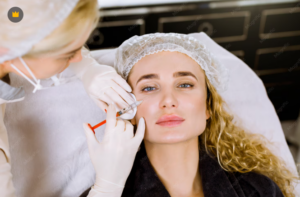
If you have ever wondered what Botox actually is, the short answer is this: it is a purified form of botulinum toxin type A, used in carefully controlled doses to relax specific muscles. It is one of the most studied and widely used treatments in both aesthetic medicine and clinical care, with decades of research behind it.
In this article, we will walk through how Botox works inside the body, what it is commonly used for, what a typical treatment session looks like, how long the results usually last, and even how the product needs to be stored to remain effective. By the end, you should have a clear, honest picture of what Botox does and does not do.
What Is Botox?
Botox is a brand name for a botulinum toxin type A injectable, one of several such products used in modern medicine. It works by temporarily reducing the activity of targeted muscles, which is why it has become so closely associated with softening expression lines on the face.
The effect is not permanent. Botox gradually wears off over time as normal muscle function returns, which is part of why repeat sessions are typically needed to maintain results. It is also worth knowing that Botox is not the same as dermal fillers. Fillers add volume to areas that have lost fullness, while Botox works on muscle activity rather than volume, which is why the two are often used for different concerns, and sometimes together.
How Botox Works
To understand Botox, it helps to picture how muscles normally move. Your brain sends electrical signals through nerves, and those nerves release a chemical messenger that tells the muscle to contract. This happens constantly, even for small movements like raising an eyebrow or squinting in sunlight.
Botox works by temporarily interrupting this communication at the point where the nerve meets the muscle. It does not damage the nerve or the muscle itself. Instead, it blocks the release of the signal for a period of time, so the muscle receives less instruction to contract. The result is a targeted, temporary reduction in muscle activity rather than a total loss of movement.
When a muscle contracts less forcefully, the skin above it creases less as well. This is particularly relevant for lines that form from repeated facial expressions, such as frowning or squinting, since those lines are directly tied to muscle movement. As nerve-muscle communication gradually returns to normal over the following months, the muscle regains its usual activity, and the effect slowly fades.
What Is Botox Used For?
-
Cosmetic Uses
Botox is most commonly known for softening forehead lines, the vertical lines between the eyebrows often called frown lines, and crow’s feet around the outer corners of the eyes. In some cases, it may also be used on other selected areas where lines are linked to muscle movement, such as around the mouth or chin, depending on individual assessment. It is important to understand that Botox specifically targets dynamic lines caused by muscle contraction, not every type of wrinkle, including those caused by sun damage or loss of skin elasticity over time.
-
Medical Uses
Beyond aesthetics, Botox has a long-standing role in medicine. It is used to help manage chronic migraine in eligible patients, reduce excessive sweating in areas such as the underarms, and treat certain muscle spasms and movement disorders. It is also approved for specific cases of overactive bladder and select eye conditions involving involuntary muscle contractions. While these medical applications are well established, most people researching Botox today are typically interested in its cosmetic use, which remains the focus of this article.
Is Botox Right for Every Type of Wrinkle?
Not all wrinkles respond to Botox in the same way, and this is an important distinction to understand before considering treatment. Botox works specifically on dynamic lines, the ones that appear because of repeated muscle movement, such as frowning or raising the eyebrows. Static lines, which remain visible even when the face is completely relaxed, are usually caused by factors like sun exposure, natural aging, or reduced skin elasticity, and these often respond better to other treatments such as fillers, skin resurfacing, or a combination approach. A qualified provider can assess which lines you have and recommend whether Botox alone is suitable or whether another option may serve you better.
What to Expect During a Botox Treatment
A Botox session usually begins with a consultation, where your provider examines your facial muscles, discusses the areas that concern you, and talks through what you would realistically like to achieve. This conversation matters because treatment plans are tailored to each person’s facial anatomy and goals, rather than following a fixed approach for everyone.
Once a plan is agreed upon, the treatment itself involves a series of small injections using a very fine needle, with the number and placement depending on the area being treated and your individual muscle pattern. Many patients describe the sensation as a brief pinch or mild discomfort rather than significant pain. There is generally little to no downtime afterward, though your provider will usually give you simple aftercare guidance, such as avoiding vigorous exercise or lying down for a few hours, to support optimal results.
When Does Botox Start Working and How Long Does It Last?
Botox does not work instantly, so it is normal not to notice a difference right after your appointment. Most people begin to see initial changes within three to five days, with the full effect typically becoming visible over the following one to two weeks as the muscle activity continues to settle.
Cosmetically, results commonly last around three to four months, although this can vary depending on the treatment area, the dose used, and individual factors like muscle strength and metabolism. As nerve-muscle communication gradually returns, the treated muscles slowly regain their usual activity, and expression lines begin to reappear, which is why many patients choose to schedule follow-up sessions to maintain their results over time.
What Are the Benefits and Risks of Botox?
Potential Benefits of Botox
For the right candidate, Botox can offer several worthwhile advantages when performed by a qualified provider. Here are some of the benefits patients often value:
- Softer expression lines
Botox can visibly reduce the appearance of dynamic wrinkles caused by repeated muscle movement. Many patients notice a smoother look in areas like the forehead and around the eyes.
- Minimal downtime
Most people can return to their daily routine shortly after treatment. This makes it a convenient option for those with busy schedules.
- Quick sessions
Treatment appointments are typically short, often completed within a lunch break. This is part of why Botox remains a popular choice among first-time patients.
- Non-surgical approach
Botox achieves visible changes without incisions or surgical recovery. This appeals to patients who want results without more invasive procedures.
- Established medical applications
Beyond cosmetic use, Botox has years of clinical research supporting its use in conditions like chronic migraine and excessive sweating. This history contributes to a well-understood safety and dosing profile when administered correctly.
Common Botox Side Effects
As with any injectable treatment, Botox does carry some possible side effects, most of which are mild and temporary. Here is what patients should be aware of:
- Redness
Mild redness can appear at the injection sites shortly after treatment. It typically fades within a short period.
- Swelling
Some patients experience slight swelling around the treated area. This usually settles within a day or two.
- Bruising
Minor bruising can occur, particularly in areas with more delicate skin. It generally resolves on its own within a week or so.
- Headache
A mild headache is a possible short-term reaction for some patients. It typically passes without needing specific treatment.
- Temporary discomfort
Some soreness or tenderness at the injection site is common. This usually improves within a day or two.
- Temporary eyelid or eyebrow drooping
In rare cases, the toxin can affect nearby muscles unintentionally, causing temporary drooping. This is uncommon and usually resolves as the treatment wears off.
Is Botox Safe?
When administered by a qualified, experienced practitioner using an authentic, properly stored product, Botox has a well-documented safety profile supported by extensive clinical use. According to research published on PubMed, botulinum toxin type A has been used safely across both cosmetic and therapeutic applications for several decades, with side effects generally described as mild and temporary when appropriate dosing and technique are followed.
That said, safety depends heavily on where and by whom the treatment is performed. Using unlicensed products, incorrect dosing, or providers without proper training significantly increases the risk of complications. This is why choosing a reputable clinic and a qualified injector matters just as much as the treatment itself.
How Should Botox Be Stored?
Botox is a sensitive biological product that must be handled with care from the moment it leaves the manufacturer. It typically needs to be stored under refrigeration at specific temperatures before reconstitution, and improper storage, such as exposure to heat or repeated temperature fluctuations, can affect its potency and safety.
Once reconstituted with saline, Botox has a limited window in which it remains effective and should be used within the timeframe recommended by the manufacturer. Reputable clinics follow strict cold-chain protocols to ensure the product you receive has been stored correctly at every stage, which is one of the reasons product authenticity and clinic standards matter so much.
What Should You Consider Before Getting Botox?
Before booking a Botox appointment, it helps to think clearly about a few key factors. Consider the specific concern you want to address, whether that is forehead lines, frown lines, or another area, along with what a realistic outcome looks like for your face. It is also worth reflecting on your medical history and any medications you currently take, since certain conditions or drugs can affect suitability for treatment.
Equally important is who performs the procedure. The experience and qualifications of your provider directly influence both safety and results, so it is worth asking about their training and track record. You should also confirm that the product being used is authentic and has been stored correctly, since counterfeit or mishandled products carry real risks.
The Saudi Food and Drug Authority specifically advises patients to consult a qualified physician experienced in administering botulinum toxin products, and this guidance is worth taking seriously. Finally, going in with realistic expectations, understanding that results vary and are not guaranteed, will help you feel more informed and comfortable with your decision.
Conclusion
Botox remains one of the most researched and widely used treatments in aesthetic and medical practice, valued for its ability to temporarily soften expression lines and address certain medical conditions. Understanding how it works, what it can and cannot do, and what factors influence safety puts you in a much better position to make an informed decision, whether you are considering it for the first time or returning for a follow-up session.
If you are thinking about Botox and want a professional assessment tailored to your face and goals, the team at SKN Clinics can walk you through your options, answer your questions honestly, and help you decide whether it is the right fit for you. A proper consultation, rather than guesswork, is always the best starting point.
FAQs
- What is Botox?
Botox is a brand of botulinum toxin type A, used in controlled doses to temporarily reduce muscle activity. It is used both cosmetically, to soften expression lines, and medically, for conditions like chronic migraine and excessive sweating.
- How does Botox work?
Botox temporarily interrupts the signal between nerves and muscles, reducing how strongly a targeted muscle contracts. This lowers the muscle movement responsible for certain expression lines until nerve-muscle communication gradually returns to normal.
- What is Botox used for?
Cosmetically, it is commonly used for forehead lines, frown lines between the eyebrows, and crow’s feet. Medically, it is used for conditions such as chronic migraine, excessive sweating, certain muscle spasms, overactive bladder, and specific eye conditions.
- How long does Botox last?
Cosmetic results typically last around three to four months, though this varies by individual and treatment area. As muscle activity gradually returns, the effects fade and expression lines may reappear.
- How long does Botox take to work?
Most people notice initial changes within three to five days after treatment. The full effect usually develops over the following one to two weeks.
- Is Botox safe?
When performed by a qualified provider using an authentic, properly stored product, Botox has a well-established safety profile backed by years of clinical research. Risks increase significantly when unlicensed products or inexperienced providers are involved, which is why choosing a reputable clinic matters.
- What are the common side effects of Botox?
Common side effects include redness, swelling, bruising, headache, and temporary discomfort at the injection site. In rare cases, temporary eyelid or eyebrow drooping can occur, though this is uncommon and resolves as the treatment wears off.
No comment